
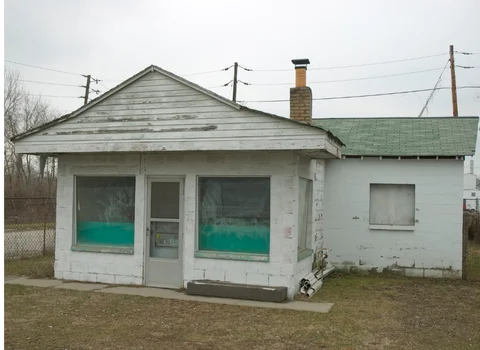
A condemned notice taped to the door can make it feel like the house is worthless, or worse, that you’re stuck with it. Neither is true. Selling a condemned house in Rhode Island comes down to one thing: finding a buyer who doesn’t need it to be livable. We Pay More Properties buys condemned and uninhabitable houses exactly as they stand, and we back every offer with the $10,000 More Guarantee — we’ll beat any written cash offer from a legitimate home-buying company by at least $10,000.
What ‘Condemned’ Actually Means
A condemnation notice is a local building or health official’s declaration that a structure isn’t safe to occupy — it doesn’t erase your ownership, and it doesn’t mean the house has to be torn down. Each Rhode Island city or town enforces this a little differently through its building department, but the notice generally bars anyone from living in the house until it’s repaired to code or the structure comes down. Utilities are sometimes shut off as well.
Can You Still Sell a Condemned House?
Yes. Condemnation limits occupancy, not ownership. You can sell a condemned house the same way you’d sell any other property — the buyer just needs to be someone who isn’t relying on living in it or financing it the way a typical homebuyer would.
Some owners assume a condemned house has to be demolished before it can change hands, or that the city takes it over automatically. Neither is true. Under R.I. Gen. Laws § 45-24.3-19, the enforcing officer can placard a dwelling as unfit, order it vacated, and order it repaired or demolished — and you have a right to a hearing. If an order gets ignored, the city or town can do the work itself. The cost then becomes your debt and a lien on the property that gets added to the tax bill (§ 23-27.3-125.7). That still doesn’t hand the city your deed. The way an owner can actually lose control is a court-appointed receiver under Rhode Island’s abandoned property law (chapter 34-44), where a judge puts someone else in charge of repairing or selling a house that’s been declared a public nuisance. Until something like that happens, it’s still your property to sell, on your terms, to whoever is willing to buy it as it stands.
Why Traditional Buyers and Lenders Won’t Touch It
Almost no conventional mortgage lender will finance a property that’s legally uninhabitable. FHA-insured loans, for one, require a home to be safe, sound, and secure. A condemned house is also hard to insure, hard to appraise as a normal home, and there’s no way for a buyer to move in even if they wanted to. That rules out essentially the entire pool of traditional, financed buyers, which is why condemned houses tend to sit until an investor or cash buyer comes along.
Even a real estate agent willing to list it runs into the same wall: without financed buyers to show it to, the pool shrinks down to the same handful of cash investors you could reach directly. That’s part of why a listing rarely moves a condemned property any faster than going straight to a cash buyer.
What Happens to Fines or Orders When You Sell
A condemned property often comes with open code violations, and sometimes accumulated city fines for the property sitting non-compliant. Under the state housing code, penalties can run $50 to $100 a day, and unpaid ones can become a lien on the property (R.I. Gen. Laws § 45-24.3-18). Those don’t automatically disappear when you sell, and it’s worth knowing what’s outstanding before you get too far into the process. A title search will surface whatever has been recorded as a lien, and the city or town’s inspection department can tell you about open violations that haven’t reached that stage. We factor that into the offer rather than asking you to clear it first.
What Selling As-Is Means for a Condemned Property
You don’t bring the house up to code, pull permits, or hire a contractor before we can make an offer. We look at the property exactly as it sits — condemnation notice, open violations, and all — and build it into one firm number. What happens with the structure after closing is on us, not something you have to sort out first.
That’s a meaningful difference from trying to fix it your way and then do a normal sale. Bringing a condemned house back up to code can mean tens of thousands of dollars in repairs and months of permitting and inspections, with no guarantee the city clears it on the first pass. Selling as-is skips that entire process instead of asking you to front the cost.
How the Process Works
The steps are the same whether the house needs cosmetic work or a full teardown:
- Tell us about the home. A short form — no walkthrough required just to get started.
- Get a firm cash offer within 24–48 hours. One number that already accounts for the condemnation.
- Pick your closing date. As fast as 7 days, or later if you need more time.
- Sign at the title company and get paid. The property, and whatever comes with it, becomes our responsibility.
Why Rhode Island Sellers Choose We Pay More
Rhode Island’s market has moved fast — the median single-family sale price was $499,900 for 2025, according to the Rhode Island Association of Realtors, and a traditionally listed home still has to get through showings, offers, a buyer’s mortgage approval, and a closing before you see a dollar. A condemned house isn’t part of that traditional market, since it can’t legally be shown or financed the normal way, so it can sit indefinitely without the right kind of buyer. We can close in as fast as 7 days, with no agent commissions and no fees taken from your proceeds. If you’ve already gotten a written cash offer from someone else, bring it to us — the $10,000 More Guarantee means we’ll beat it by at least $10,000.
We’re a Rhode Island company with offices in Providence and Cranston, and we regularly buy condemned and severely distressed properties. It’s a normal transaction for us, not a reason to lowball you.
Where We Pay More Fits
Whatever condition the house is in, condemned or otherwise, we buy houses as-is across Rhode Island. If the property has open code violations short of a full condemnation, our guide to selling a house with code violations in Rhode Island covers that specific situation. And if speed matters most, our fast cash home-buying process is built to close in about a week.
FAQ
Can I sell a house that’s been condemned?
Yes. Condemnation restricts occupancy, not your right to sell. A cash buyer doesn’t need the house to be livable.
Do I have to fix the violations before selling?
No. We factor the condition, violations included, into one firm offer — you don’t need to bring it up to code first.
What happens to outstanding fines when I sell?
A title search will surface fines and city repair or demolition costs that have been recorded as liens, and the local inspection department can confirm any open violations that haven’t been recorded. We work that into the offer rather than requiring you to clear it first.
How fast can I close?
As fast as 7 days once you accept an offer. You can also pick a later date if you need more time.
Is the $10,000 More Guarantee real for a condemned house?
Yes. Bring us any written cash offer from a legitimate home-buying company, and we’ll beat it by at least $10,000.
Ready When You Are
A condemned notice doesn’t have to be the end of the road. Get your no-obligation cash offer online or call (844) 937-2966 — we’ll walk you through exactly how selling a condemned house works, and we’ll always beat any legitimate written cash offer by at least $10,000.