
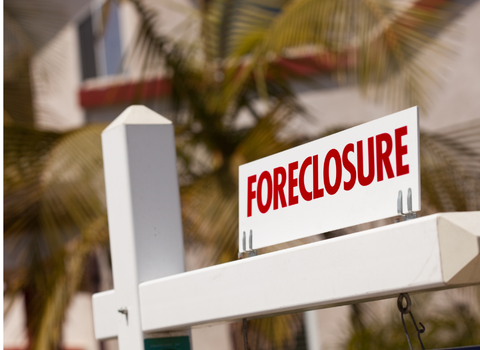
If you’ve gotten a notice with an auction date on it, the clock feels louder than anything else in your life right now. Here’s what actually helps: knowing exactly how a Rhode Island foreclosure auction works, and exactly how much runway you still have to stop it. Rhode Island moves faster than a lot of states through this process, but “faster” doesn’t mean there’s no time — for most homeowners, there’s still a real window to act. We Pay More Properties backs every offer with the $10,000 More Guarantee: we’ll beat any other valid, written cash offer by at least $10,000, and we can often close well before an auction date arrives.
Rhode Island Is a “Power of Sale” State — What That Means
Most Rhode Island mortgages include a power-of-sale clause, which lets the lender foreclose without taking you to court first. That’s why Rhode Island foreclosures generally move faster than in states that require a judge to sign off on every step. It also means the auction date on your notice is real and enforceable — it isn’t a formality that automatically gets pushed back. Our Rhode Island foreclosure timeline breakdown covers the full process in more depth if you want to see every stage laid out.
What Counts as “Behind” Before Foreclosure Starts?
Missing one payment doesn’t trigger foreclosure. Most servicers give homeowners a grace period and multiple attempts at contact — phone calls, letters, loss-mitigation offers — before anything formal begins. Foreclosure proceedings typically don’t start until a borrower is several months delinquent, though the exact point varies by lender and loan type (conventional, FHA, and VA loans each have somewhat different servicing rules).
If you’ve missed a payment or two, that’s the moment to call your servicer and ask directly what your options are — not to wait and see what shows up in the mail. The earlier you’re in a conversation with your lender, the more choices you generally have.
The Foreclosure Auction Timeline, Step by Step
- Missed payments and default: after enough missed payments, your loan servicer sends a notice of default or breach letter. Exactly when this happens varies by lender and by the terms of your specific mortgage.
- Notice of sale: the lender sends written notice of the scheduled auction date, and Rhode Island law also requires the sale to be publicly advertised — typically in a local newspaper for several consecutive weeks before the auction.
- The right to cure: in many cases, you can stop the sale any time before the auction by paying the past-due amount, plus fees, and bringing the loan current. This window is often open longer than homeowners assume.
- Auction day: the property is sold at a public auction, often held at the property itself or another designated location, run by an auctioneer. If no bid meets the lender’s minimum, the lender typically takes the property back.
The exact notice periods and required steps are set by Rhode Island statute and by the specific language in your mortgage — worth confirming with an attorney the moment you receive a notice, since the timeline is one of the few things in this process that isn’t flexible.
Who Actually Shows Up to Bid?
Rhode Island foreclosure auctions are open to the public, but most homeowners are surprised by who’s actually in the crowd. The lender typically opens with a “credit bid” — bidding up to the amount still owed on the loan, without having to put up cash, since they’re essentially bidding against their own debt. Real estate investors looking for a below-market deal make up much of the rest of the bidding, which is part of why final sale prices at auction often land well under a home’s open-market value.
That gap matters if you still have equity in the house. A property that might sell for full market value through a traditional listing, or through a direct cash offer, can sell for meaningfully less at auction — and any shortfall between what’s owed and what the auction brings in is exactly the kind of gap that can turn into a deficiency question afterward.
What Happens the Day of the Auction
Auctions move fast — often just a few minutes per property. If your house sells to a third-party bidder or reverts to the lender, ownership generally transfers immediately once the sale is confirmed. If you’re still living in the house at that point, the new owner typically has to go through a separate eviction process, but you no longer control the property or the timeline.
Once the gavel falls, your options shrink dramatically. Everything below this section is about the time before that moment — because that’s when you actually have leverage.
There’s another detail worth knowing: if the auction sale price doesn’t cover what’s owed on the mortgage, the lender can, in some cases, pursue the remaining balance as a separate debt. A completed foreclosure can also affect your credit for years afterward. Both are reasons to explore every option before the sale date, rather than after.
The Cost of Waiting Versus Acting Now
It’s tempting to hope a solution appears on its own as the auction date gets closer. In practice, waiting usually narrows your options instead of expanding them. Every week closer to the sale date is a week less time to arrange reinstatement funds, negotiate with your lender, or line up a buyer who can close before the deadline.
Selling on your own timeline — even a compressed one — generally leaves you with more control than letting the process run its course: you choose the closing date instead of a court-driven schedule, you avoid a completed foreclosure on your credit history, and if there’s equity in the house, it comes to you at closing instead of disappearing into the auction process.
How to Stop a Rhode Island Foreclosure Before the Auction
- Reinstate the loan: pay the past-due balance, fees, and costs to bring the mortgage current, if you have the funds or can arrange them in time.
- Loan modification or forbearance: some lenders will adjust the loan terms or pause payments temporarily — worth calling your servicer directly to ask what’s available, even late in the process.
- Short sale: selling for less than what’s owed, with lender approval, avoids a completed foreclosure but usually takes longer than most homeowners have left before an auction date.
- Sell for cash before the sale date: a firm cash offer can often close faster than the time remaining before your auction, letting you walk away with whatever equity is left instead of losing the house — and the equity in it — entirely.
That last option is where We Pay More Properties fits directly into this timeline. Our foreclosure assistance program is built around this kind of deadline: we can put together a firm cash offer in 24–48 hours and close in as little as 7 days, often faster than the time between a notice and the auction date. The $10,000 More Guarantee applies here too — we’ll beat any other valid written cash offer by at least $10,000, so acting fast doesn’t mean settling for less. Our cash home buying process skips repairs, commissions, and fees entirely, which matters when every dollar of remaining equity counts.
Frequently Asked Questions
How long does it take for a house to go to foreclosure auction in Rhode Island? It depends on your lender and how far behind you are, but Rhode Island’s power-of-sale process generally moves faster than judicial-foreclosure states — often a matter of months, not years, once a notice of default goes out. That’s exactly why acting the moment you receive any notice matters more here than it might in a slower-moving state.
Can I stop a foreclosure auction at the last minute? Sometimes, yes — reinstating the loan or reaching an agreement with your lender can work up until close to the sale date, but the safest move is to act as early as possible rather than counting on a last-minute fix.
What happens if my house doesn’t sell at the auction? If no bid meets the lender’s minimum, the property typically reverts to the lender, who then owns and markets it directly — the foreclosure is still considered complete.
Will foreclosure show up on my credit even if I sell before the auction? Selling before a completed foreclosure, including to a cash buyer, generally avoids a foreclosure showing up on your credit report the way a completed sale-by-auction would.
Can I sell my house if I’m already behind on payments? Yes. The payoff on your existing mortgage, including any missed payments, comes out of the sale proceeds at closing — you don’t need to bring the loan current first to sell.
Call Us Today
If you have an auction date on the calendar, don’t wait to see what happens. Request a no-obligation cash offer from We Pay More Properties or call (844) 937-2966. We can move on a timeline that respects your deadline, and the $10,000 More Guarantee means we’ll beat any other valid written cash offer by at least $10,000.