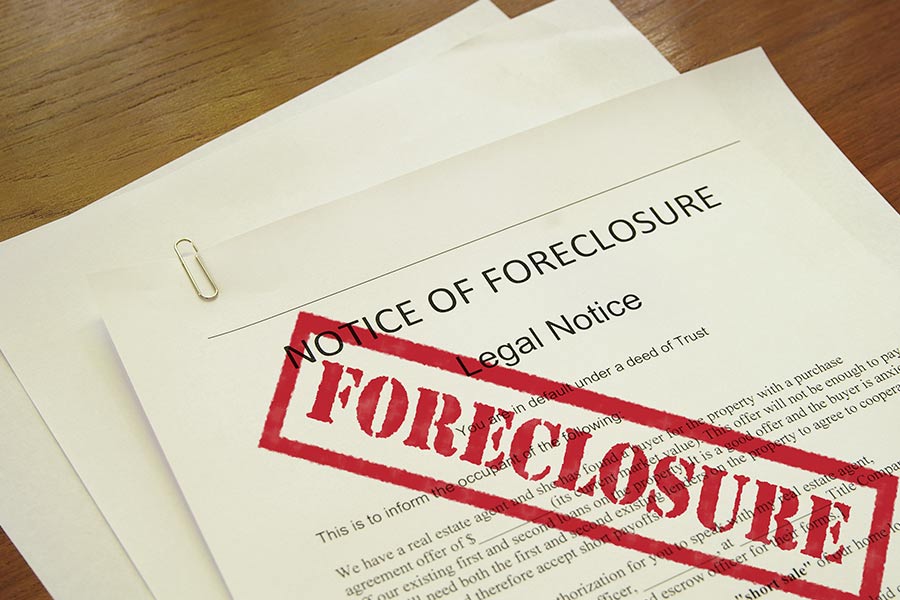
How Foreclosure Auctions Work in Rhode Island (and How to Stop Yours)

Behind on your Rhode Island mortgage? See how the foreclosure auction actually works and how to stop it, plus our $10,000 More Guarantee.

Behind on your Rhode Island mortgage? See how the foreclosure auction actually works and how to stop it, plus our $10,000 More Guarantee.
Have you wondered how foreclosure affects your credit score? Falling behind on mortgage payments is one of the most stressful things a homeowner can face. When the bills pile up and options seem limited, foreclosure can start to feel like it’s just around the corner. But before you reach that point, it’s important to understand what’s actually at stake.
Understanding the credit impact of foreclosure is important for every Rhode Island homeowner. A foreclosure doesn’t just mean losing your home. It can follow you on your credit report for years, making it harder to rent an apartment, get approved for a car loan, or buy another home in the future. The good news is that you have options—but only if you act before it’s too late.
A foreclosure is one of the most damaging events that can appear on your credit report. Depending on your score before the process starts, foreclosure can drop it by 100 to 150 points or more. For someone with good credit, that’s a major setback that takes years to recover from.
The credit impact of foreclosure is also long-lasting. A foreclosure stays on your credit report for seven years from your first missed payment. During that time, lenders see you as a higher risk. That can mean higher interest rates, loan denials, and trouble finding a landlord willing to rent to you.
The damage doesn’t stop when the home is sold. It shapes your financial life for years. That’s why acting early makes all the difference.
Real estate foreclosures in RI move faster than many homeowners expect. Rhode Island uses a non-judicial foreclosure process, which means the courts aren’t involved. That makes the timeline shorter than in states that require a judge to approve the sale.
After a payment is missed, your lender will reach out. If payments continue to be missed, the lender can begin formal proceedings. Rhode Island lenders must publish a notice of the foreclosure sale in a local newspaper for three consecutive weeks before the auction takes place.
From the first missed payment to the final sale, the process can wrap up in as little as three to four months. Many homeowners don’t realize how quickly things move. By the time they seek help, their options may already be limited. Starting early is the key.
Not every financial struggle leads to foreclosure, but there are clear red flags worth paying attention to. If you recognize any of these signs, it’s time to take action.
If you’re worried about falling behind, the worst thing you can do is wait. Here are practical steps that can help you stay ahead of foreclosure and protect your credit score.
For homeowners facing real estate foreclosure in RI, selling the home before the lender takes action is often the most effective way to protect their financial future. And when time is short, a cash sale is the fastest option available.
When you sell to a cash buyer, there’s no waiting on bank approvals, no repair requests, and no long listing process. You can close in as little as seven days—often fast enough to stop the foreclosure before it ever touches your credit report.
At We Pay More Properties, we’ve helped hundreds of Rhode Island homeowners through tough situations just like this one. We buy homes in any condition, with no commissions, no fees, and no pressure. And with our $10,000 guarantee, you can feel confident you’re getting a fair offer—not a lowball deal.
If you’re facing the possibility of foreclosure in Providence or anywhere in Rhode Island, the sooner you reach out, the more options you’ll have. We Pay More Properties is a trusted, local company that makes the process simple and stress-free. One call is all it takes to get a fair cash offer within 24 hours and a closing date you choose. Call us at 844-937-2966, visit us online at wepaymoreproperties.com, or come see us at 207 Douglas Ave, Suite 200, Providence, RI 02908. Protecting your credit and your future starts here.
Facing foreclosure is stressful. You’re worried about losing your home, damaging your credit, and what comes next. But here’s something many Rhode Island homeowners don’t know: you can sell your house even after receiving a foreclosure notice. In fact, selling during foreclosure might be your best option to move forward with a fresh start. If you’re wondering, “Can I sell my house during foreclosure?” the answer is yes—and acting quickly can help you avoid the worst consequences of foreclosure while keeping more money in your pocket.
Rhode Island uses a judicial foreclosure process, which means your lender must go through the court system to take your home. This process typically takes several months, giving you a window of time to explore your options.
The foreclosure timeline usually looks like this: After you miss several mortgage payments, your lender sends a notice of default. Next, they file a foreclosure lawsuit. You’ll receive court documents and have a chance to respond. If the court rules in the lender’s favor, your home will eventually be sold at a foreclosure auction.
Here’s the important part: You still own your home throughout most of this process. That means you have the legal right to sell it—and selling before the auction date can save you from serious financial damage.
When you sell a house in foreclosure in RI, homeowners often discover they can avoid the harshest consequences of letting foreclosure run its course.
A foreclosure stays on your credit report for seven years and can drop your credit score by 200 points or more. This makes it harder to rent an apartment, get approved for loans, or even land certain jobs. Selling your house before the foreclosure is complete protects your credit from this severe hit.
You might also keep some money from the sale. If your home sells for more than what you owe on your mortgage, you walk away with the difference. Even if you’re underwater on your loan, selling can help you negotiate with your lender to avoid a deficiency judgment.
Most importantly, selling gives you control. Instead of waiting for the bank to auction your home, you choose when to sell and where to go next. You get to move forward on your terms.
To stop foreclosure by selling, Rhode Island homeowners need to act fast. Time is your biggest challenge, but the process is straightforward.
We Pay More Properties has helped dozens of Providence homeowners sell during foreclosure and avoid the stress of losing their homes to auction. We understand the pressure you’re under, and we’ve built our process around speed and simplicity.
Here’s how we help: We provide cash offers within 24 hours of hearing from you. No waiting weeks for an answer. We buy houses in any condition, so you don’t need to spend money on repairs or cleaning. We handle all the paperwork and coordinate directly with your lender to ensure everything closes smoothly.
Most importantly, we work on your timeline. You pick the closing date that works best for your situation. Need to close in 7 days to beat a foreclosure deadline? We can do that. Need a few extra weeks to arrange your move? That works too.
Foreclosure doesn’t have to be the end of your story. You have options, and selling your house might be the fresh start you need. Every day you wait, you have fewer options and less time to act.
The first step is simple: reach out and get information. Find out what your house is worth and how quickly you can sell. There’s no obligation, and the call is free. You’ll get honest answers about your situation and clear options for moving forward.
Don’t let foreclosure happen to you. Contact We Pay More Properties today.
Call us at 844-937-2966 or visit our office at 207 Douglas Ave, Suite 200, Providence, RI 02908. You can also get started online at wepaymoreproperties.com.
Get your fair cash offer in 24 hours and close on your schedule. We’ll handle the hard parts so you can focus on your fresh start. Your home, your timeline, your choice—let’s make it happen together.
Facing foreclosure can feel overwhelming. If you’re a Rhode Island homeowner worried about losing your home, understanding how the process works can help you make better decisions. By knowing the steps in the Rhode Island foreclosure timeline, you’ll see where you have opportunities to act and what options to avoid foreclosure are available before it’s too late.
Rhode Island primarily uses a non-judicial foreclosure process. Most mortgages include a “power of sale” clause, which allows lenders to foreclose without going to court. This process moves quickly, but state law requires lenders to offer foreclosure mediation before proceeding, giving you a chance to explore solutions with your lender.
The foreclosure timeline for homeowners in Rhode Island can vary, but once you’re 120 days past due, lenders may begin the process. From there, a mediation notice must be sent, a conference scheduled, and if no resolution is reached, the lender can advertise and conduct a foreclosure sale.
Because there’s no right of redemption after the sale, it’s important to act early if you want to stop foreclosure in RI.
Lenders usually won’t act immediately when you first miss a payment. Most begin sending notices after you are 30 days late, and they typically wait until you’re 90–120 days behind before starting foreclosure.
Rhode Island law requires lenders to send you a mediation notice before moving forward. You’ll be invited to a conference with a HUD-approved counselor or mediator within about 60 days. This is your chance to work out a repayment plan, loan modification, or other alternatives.
If mediation doesn’t resolve the default, the lender can proceed with foreclosure. They must advertise the sale in a local newspaper for three consecutive weeks and notify you directly of the date and location of the auction.
The sale takes place as a public auction, often at the courthouse or another designated location. The property goes to the highest bidder—frequently the bank itself if bids don’t meet the outstanding balance.

Even if you’re behind on payments, you still have rights under Rhode Island law:
If you’re facing default, you have several options to avoid foreclosure:
The foreclosure process may sound long, but once notices are sent, deadlines arrive quickly. Every missed step limits your choices. Many homeowners wait too long, hoping their situation will improve on its own. Unfortunately, foreclosure rarely resolves without action. The earlier you explore foreclosure help in Rhode Island, the more options you’ll have.
At We Pay More Properties, we understand the stress that comes with foreclosure. We’ve helped many Rhode Island families avoid losing their homes by providing fast, fair cash offers.
Here’s what sets us apart:
We’re based right here in Rhode Island, so we know the local market and the foreclosure process. Our goal is to give you peace of mind and control during a stressful time.
The Rhode Island foreclosure timeline moves quickly, but you still have time to act. Whether you’re exploring a loan modification, considering a short sale, or ready for a fast cash offer, the most important step is to do something now.
Contact We Pay More Properties today at 844-937-2966 or visit us at 207 Douglas Ave, Suite 200, Providence, RI 02908. You can also learn more at wepaymoreproperties.com. We’re here to provide foreclosure help in Rhode Island and give you a way forward without the stress of losing your home.