Rhode Island Housing Market Trends – 2025 and 2026 Update


See the latest Rhode Island housing market trends for Q4 2025 and Q1 2026 — prices, inventory, and what it means if you’re thinking about selling your home.

See the latest Rhode Island housing market trends for Q4 2025 and Q1 2026 — prices, inventory, and what it means if you’re thinking about selling your home.
Going through a divorce and need to sell your RI home? Learn about property division, legal steps, and how a cash sale simplifies it.
Weighing a short sale vs. cash sale in RI? Compare the process, credit impact, and timeline of each to find the best fit for you.
Thinking about selling? Compare the Providence, Warwick, and Cranston RI housing markets — prices, speed, and what sellers need to know in each city.
Have you wondered how foreclosure affects your credit score? Falling behind on mortgage payments is one of the most stressful things a homeowner can face. When the bills pile up and options seem limited, foreclosure can start to feel like it’s just around the corner. But before you reach that point, it’s important to understand what’s actually at stake.
Understanding the credit impact of foreclosure is important for every Rhode Island homeowner. A foreclosure doesn’t just mean losing your home. It can follow you on your credit report for years, making it harder to rent an apartment, get approved for a car loan, or buy another home in the future. The good news is that you have options—but only if you act before it’s too late.
A foreclosure is one of the most damaging events that can appear on your credit report. Depending on your score before the process starts, foreclosure can drop it by 100 to 150 points or more. For someone with good credit, that’s a major setback that takes years to recover from.
The credit impact of foreclosure is also long-lasting. A foreclosure stays on your credit report for seven years from your first missed payment. During that time, lenders see you as a higher risk. That can mean higher interest rates, loan denials, and trouble finding a landlord willing to rent to you.
The damage doesn’t stop when the home is sold. It shapes your financial life for years. That’s why acting early makes all the difference.
Real estate foreclosures in RI move faster than many homeowners expect. Rhode Island uses a non-judicial foreclosure process, which means the courts aren’t involved. That makes the timeline shorter than in states that require a judge to approve the sale.
After a payment is missed, your lender will reach out. If payments continue to be missed, the lender can begin formal proceedings. Rhode Island lenders must publish a notice of the foreclosure sale in a local newspaper for three consecutive weeks before the auction takes place.
From the first missed payment to the final sale, the process can wrap up in as little as three to four months. Many homeowners don’t realize how quickly things move. By the time they seek help, their options may already be limited. Starting early is the key.
Not every financial struggle leads to foreclosure, but there are clear red flags worth paying attention to. If you recognize any of these signs, it’s time to take action.
If you’re worried about falling behind, the worst thing you can do is wait. Here are practical steps that can help you stay ahead of foreclosure and protect your credit score.
For homeowners facing real estate foreclosure in RI, selling the home before the lender takes action is often the most effective way to protect their financial future. And when time is short, a cash sale is the fastest option available.
When you sell to a cash buyer, there’s no waiting on bank approvals, no repair requests, and no long listing process. You can close in as little as seven days—often fast enough to stop the foreclosure before it ever touches your credit report.
At We Pay More Properties, we’ve helped hundreds of Rhode Island homeowners through tough situations just like this one. We buy homes in any condition, with no commissions, no fees, and no pressure. And with our $10,000 guarantee, you can feel confident you’re getting a fair offer—not a lowball deal.
If you’re facing the possibility of foreclosure in Providence or anywhere in Rhode Island, the sooner you reach out, the more options you’ll have. We Pay More Properties is a trusted, local company that makes the process simple and stress-free. One call is all it takes to get a fair cash offer within 24 hours and a closing date you choose. Call us at 844-937-2966, visit us online at wepaymoreproperties.com, or come see us at 207 Douglas Ave, Suite 200, Providence, RI 02908. Protecting your credit and your future starts here.
If you own a home in Rhode Island and need to sell quickly, you may have heard about cash buyers. But is it the right move for you? Understanding the benefits of selling your house for cash can help you decide whether this option fits your situation.
Whether you’re dealing with a job change, an inherited property, or a home that needs expensive repairs, a cash sale could save you time, money, and stress. But, like any big decision, there are trade-offs worth considering. Let’s break down the pros and cons so you can make the best choice for your family.
A cash home sale is exactly what it sounds like. A buyer pays for your house with cash instead of taking out a mortgage. This cuts out the bank, the long approval process, and most of the paperwork that slows down a traditional sale.
Here’s how it usually works. You reach out to a cash buyer or a company, such as We Pay More Properties in Providence. They look at your home, often with a quick visit or virtual walkthrough. Then they make you a fair offer, sometimes within 24 hours. If you accept, you pick a closing date that works for you. The whole process can wrap up in as little as seven days.
Because there’s no lender involved, you skip the appraisal delays and financing fall-throughs that often derail traditional sales. For many Rhode Island homeowners, this speed and simplicity are the biggest draw.
There are several benefits of a cash home sale in Rhode Island that make this path appealing, especially if you need a fast resolution.
For homeowners who want to sell a house for cash in RI, these advantages can make all the difference between a smooth sale and a drawn-out headache.
No option is perfect, and a cash sale has a few downsides to consider.
The most common concern is that cash offers may be lower than what you’d get on the open market. Since cash buyers take on the risk of repairs and resale, they factor those costs into their offer. However, when you subtract agent fees, repair expenses, holding costs, and months of mortgage payments from a traditional sale, the numbers often end up closer than you’d think.
Another factor is the variation in cash buyers. Not all companies operate the same way. Some use high-pressure tactics or make lowball offers. That’s why it’s important to work with a trusted, local company that has a strong reputation. Look for reviews, ask for references, and make sure the buyer is transparent about their process.
Finally, if your home is in great shape and you’re in no rush, listing on the open market might net you a higher sale price. A cash sale is best when speed, convenience, or your personal situation makes the traditional route impractical.
Every homeowner’s situation is different. A cash sale tends to be the strongest option when you’re facing time-sensitive circumstances. If you’re behind on mortgage payments, going through a divorce, managing a probate property, or simply don’t want to deal with repairs and showings, selling for cash gives you a clear path forward.
Rhode Island homeowners often choose cash sales when they realize the true cost of a traditional listing. Between agent commissions, staging, repairs, and months of waiting, the process can drain your time and wallet. A cash sale puts money in your hands quickly and lets you move on to the next chapter.
Think about what matters most to you. If you’re looking to get the highest possible price and have time to wait, the open market may be worth exploring. But if you value speed, simplicity, and certainty, the benefits of selling your house for cash are hard to beat.
If you’re a homeowner in Rhode Island thinking about a cash sale, We Pay More Properties is here to help. We’re a local, trusted company based right here in Providence, and we’ve helped hundreds of homeowners sell their homes quickly and fairly. We buy houses in any condition, with no fees, no commissions, and no pressure.
You’ll get a fair cash offer within 24 hours, and you pick the closing date that works for you. Ready to see what your home is worth? Call us today at 844-937-2966, visit us online at wepaymoreproperties.com, or stop by our office at 207 Douglas Ave, Suite 200, Providence, RI 02908. A fresh start is just one call away.
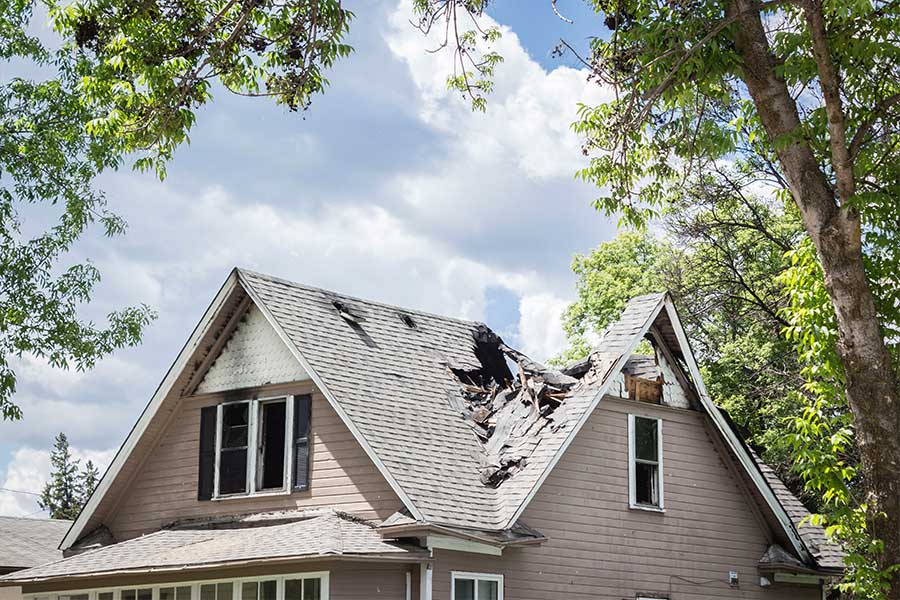
Dealing with a fire or flood in your Rhode Island home is stressful enough. The last thing you want to worry about is how to sell a fire-damaged house or navigate the complex process of selling after water damage. Whether you’re in Providence, Warwick, or anywhere else in the Ocean State, you have options that don’t involve months of expensive repairs.
Many Rhode Island homeowners think they’re stuck with two bad choices: spend thousands fixing everything or accept pennies from desperate buyers. The truth is, there’s a better way to move forward after property damage.
When disaster strikes your Rhode Island home, time becomes your biggest challenge. Insurance claims take months to settle. Contractors are booked solid. Meanwhile, you’re dealing with temporary housing costs and the emotional stress of seeing your home damaged.
Traditional real estate agents often won’t even list severely damaged properties. They know most buyers will walk away the moment they see fire damage or flood marks. Even if you find an agent willing to help, you’ll face months of showings with very few serious offers.
The repair route seems logical at first. Fix everything, then sell normally. But fire and flood repairs in Rhode Island are expensive and time-consuming. Fire damage often means replacing electrical systems, flooring, and drywall throughout the house. Flood damage brings hidden problems like mold, foundation issues, and ruined insulation. A $20,000 repair estimate easily becomes $50,000 or more.
Here’s what most people don’t realize: you don’t have to choose between these difficult options. Damaged property cash buyers in Rhode Island offer a third choice that makes sense for many families.
Cash buyers who specialize in damaged properties work differently from traditional buyers. They understand that behind every damaged house is a family that needs to move forward with their lives.
When you contact a professional cash buyer, they’ll visit your property and assess the damage firsthand. They don’t need you to clean up, make repairs, or even remove your belongings. They evaluate what the house could be worth after professional restoration and make their offer based on that potential.
This process eliminates the guesswork and stress from your situation. You won’t wonder if buyers will show up to appointments or if they’ll change their minds after seeing the damage. Cash buyers expect damaged properties and price their offers accordingly.
The timeline moves much faster, too. While traditional sales take 60-90 days, even for perfect houses, cash sales often close in just 7-14 days. This speed helps you avoid paying for temporary housing longer than necessary.
At We Pay More Properties, we’ve helped dozens of Rhode Island families move forward after fire and flood damage. We understand that selling a damaged house isn’t just about money – it’s about getting your life back to normal.
We handle all the complicated parts for you. Our team assesses fire damage, flood damage, and structural issues so you don’t have to become an expert in restoration costs. We make fair offers based on your property’s potential, not just its current condition.
You stay in control throughout the process. We work around your schedule for property visits and let you choose the closing date that works best for your family. There are no hidden fees, no commission costs, and no surprise deductions at closing.
Our local knowledge of Rhode Island’s market helps us make accurate offers quickly. We understand how flood zones, local building codes, and seasonal weather patterns affect property values throughout the state.
Selling a fire-damaged or flood-damaged house in Rhode Island doesn’t have to add more stress to an already difficult situation. You have the right to choose what works best for your family’s timeline and financial needs.
Some families decide to rebuild and restore their properties. Others want to sell quickly and start fresh somewhere new. Both choices are valid, and the right decision depends on your specific situation.
If you’re leaning toward selling, don’t wait until the damage worsens or holding costs accumulate. Water damage and fire damage both worsen over time when left untreated. The sooner you explore your options, the more choices you’ll have.
Stop worrying about how to sell your fire-damaged house or flood-damaged property in Rhode Island. We Pay More Properties is ready to help you move forward without the stress of repairs, realtor fees, or months of uncertainty.
Call us today at 844-937-2966 for a no-obligation consultation about your damaged property. We’ll visit your home, assess the situation honestly, and provide a fair cash offer within 24 hours. You can also visit our office at 207 Douglas Ave, Suite 200, Providence, RI 02908, or learn more about our process at wepaymoreproperties.com.
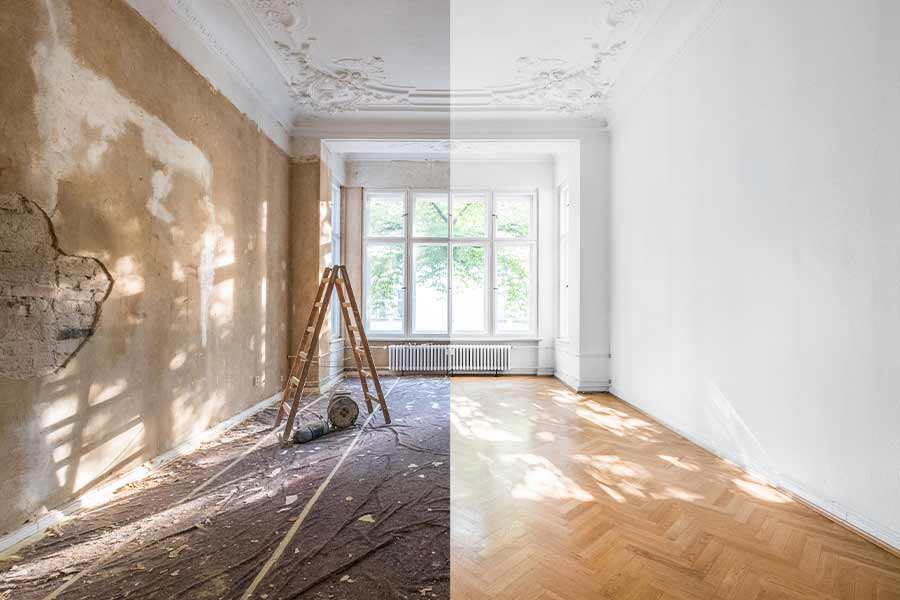
Selling your home in Rhode Island raises a significant question: should you fix up your house or sell as-is? Many homeowners in Providence and across Rhode Island face this choice. The answer depends on your situation, timeline, and budget.
Let’s break down both options so you can make the best choice for your needs.
When you sell your house as-is, you’re selling it in its current condition. You don’t make any repairs or updates. The buyer takes the property in its current state.
This doesn’t mean you’re hiding problems. You still need to be honest about any issues you know about. But you’re not spending time or money fixing them before the sale.
Some homeowners choose to make repairs before selling. This approach can work well in certain situations.
Higher sale price: Fixed-up homes often sell for more money. Fresh paint, new flooring, and updated kitchens catch buyers’ eyes. They’re willing to pay extra for a move-in-ready home.
Faster traditional sale: Homes in excellent condition tend to sell quickly on the regular market. Buyers don’t worry about repair costs or the hassle of fixing things themselves.
More buyer interest: Pretty homes get more showings and offers. This can create competition between buyers, which might drive up your final sale price.
But fixing up your house isn’t always the wise choice. Let’s look at why.

For many Rhode Island homeowners, selling as-is makes more sense. Here’s why this option is gaining popularity.
No upfront costs: You don’t spend thousands on repairs that might not pay off. Kitchen remodels in Providence can cost $20,000 or more. That’s money you might never get back.
No time delays: Repairs take time. Finding contractors, getting permits, and finishing work can take months. If you need to move fast, this delay hurts.
No stress or hassle: Managing repairs while trying to sell creates double stress. You’re dealing with contractors, inspectors, and potential buyers all at once.
Unknown problems: Once you start fixing things, you might find bigger issues. That small roof leak could reveal major structural problems. These surprise costs add up fast.
Consider making repairs if you have the time and money. If your local market strongly favors updated homes, minor fixes might help. But be smart about which repairs you choose.
Focus on these fixes:
Skip expensive projects like kitchen remodels, bathroom updates, or major systems repairs. These rarely pay for themselves in Rhode Island’s current market.
Most homeowners should consider the as-is option, especially if any of these situations apply to you.
If you decide to sell as-is, do it right. Not all buyers are the same. Traditional buyers often get scared by repair needs. But cash buyers and investors actively look for as-is properties.
Cash buyers like We Pay More Properties specialize in as-is purchases. We buy houses throughout Rhode Island in any condition. You don’t need to paint, repair, or even clean. We handle everything.
Here’s how it works. You call us or visit our website. We look at your house and make a fair cash offer within 24 hours. You choose the closing date that works for you. We take care of all the paperwork and details.
Think about your goals, timeline, and budget. Ask yourself these questions:
Do you have months to spend on repairs and marketing? Can you afford surprise repair costs? Are you comfortable managing contractors while showing your house?
If you answered no to any of these, selling as-is probably makes more sense.
Remember, you’re not stuck with the first option you choose. You can always get multiple opinions. Traditional real estate agents will tell you about fixing up and listing. Cash buyers will explain the as-is option.
Don’t let the repair vs as-is sale decision stress you out. Both options can work, but one will be clearly better for your situation.
If you’re leaning toward selling as-is, get a no-obligation cash offer first. This gives you a baseline to compare against other options. You might be surprised how much you can get for your Rhode Island house without fixing anything.
We Pay More Properties has been helping Providence area homeowners for years. We buy houses in any condition, handle all the paperwork, and close on your timeline. No repairs, no fees, no waiting around.
Ready to learn what your house is worth as-is? Call us today at 844-937-2966. We’ll give you a fair cash offer in 24 hours, and you can decide if it’s right for you. Your fresh start is just one phone call away.
Thinking about selling your house in Rhode Island? One of the first questions most homeowners ask is: When is the best time of year to sell a house in Rhode Island to get the most money and fastest results? The timing of your home sale can make a real difference in how quickly you attract buyers and how much you earn at closing.
Like much of the Northeast, Rhode Island’s housing market follows seasonal patterns. By understanding these trends—and considering your own personal situation—you can make smarter choices about when to list your house.
Spring is typically the best time to sell a house in Rhode Island. From March through May, buyer activity surges. Families often want to move before summer break, and after winter weather passes, more people are eager to attend showings and open houses.
Selling in the spring offers several advantages:
The tradeoff? You’ll face more competition from other sellers who also list during spring. To stand out, your house should be well-prepared with attractive photos, competitive pricing, and strong curb appeal.
Summer continues the strong momentum from spring. June through August is especially active as families settle before the new school year. Longer daylight hours make showings easier, and weekend open houses often attract a good crowd.
Rhode Island’s summer tourism season can also bring out-of-state buyers who fall in love with the Ocean State and decide to relocate. These buyers often bring strong cash offers, providing sellers with more options.
One drawback: vacations can slow things down. Some buyers pause their search during mid-summer travel, and if your home lacks air conditioning, hot weather might work against you. Still, summer generally remains one of the strongest seasons for selling.
From September through November, buyer activity begins to taper off. There are fewer shoppers overall, but the ones who are looking are usually more serious. Many need to move quickly for work or personal reasons, which can make negotiations smoother.
The winter months (December through February) are traditionally the slowest. Bad weather and the holiday season mean fewer showings. But motivated buyers are still in the market, and they often act decisively. Tasteful holiday décor can even make your home feel warm and inviting during showings.
Selling in winter isn’t impossible—it just requires realistic pricing and flexibility. Motivated buyers, investors, and cash buyers are still active, which can work to your advantage if you need to sell quickly.
| Season | Pros | Cons |
|---|---|---|
| Spring (Mar–May) | Highest buyer demand, best curb appeal, faster sales | More competition from other listings |
| Summer (Jun–Aug) | Peak family moves, long daylight hours, strong tourism-driven demand | Vacations can delay buyers, hot weather can highlight comfort issues |
| Fall (Sep–Nov) | Fewer competing listings, serious and motivated buyers | Overall demand slows compared to spring and summer |
| Winter (Dec–Feb) | Motivated buyers still active, holiday décor can boost appeal | Slowest market season, fewer showings due to weather |
Seasonal patterns matter, but other local factors also play a big role in when to sell:
Sometimes life doesn’t wait for spring or summer. Job relocations, financial challenges, divorce, or inherited properties can all force you to sell quickly. In these cases, waiting for the “perfect” market often costs more than it saves.
Year-round advantages to selling quickly include:
If you’re facing foreclosure, dealing with a divorce, or managing an inherited property, a cash buyer may help you move forward without delay.
Providence and surrounding areas have their own dynamics. Ongoing revitalization has attracted young professionals and downsizers year-round. Colleges and universities create consistent demand for both homes and rentals, while lifestyle-focused buyers are drawn to downtown amenities and cultural attractions.
Because Rhode Island is small, buyers often look statewide rather than limiting themselves to one town. This broader buyer pool can help offset seasonal slowdowns in specific neighborhoods.
So, when is the best time to sell a house in Rhode Island? The honest answer: if you can wait, spring and early summer usually bring the most activity and strongest prices. But a well-priced home in good condition can sell successfully in any season.
More importantly, your personal needs should guide your decision. If you need to move quickly, selling to a cash buyer is often the best option. These buyers purchase homes year-round, regardless of condition, and can close in as little as one week.
Whether you want to take advantage of spring’s peak season or need to sell right now, We Pay More Properties is here to help. We buy houses in any condition, in any season, with cash offers that close on your timeline. No repairs, no fees, no waiting for the “right” market conditions.
Call us today at 844-937-2966 or visit us at 207 Douglas Ave, Suite 200, Providence, RI 02908. You can also request your fair cash offer online at wepaymoreproperties.com. Your fresh start begins with one simple step.
Selling your house in Rhode Island comes with costs you might not expect. Understanding closing costs for sellers helps you plan better and avoid surprises at the closing table. Many homeowners in Providence and across the Ocean State get caught off guard by these fees, which can add up to thousands of dollars.
Let’s break down exactly what you’ll pay when selling your home in Rhode Island, so you can make smart decisions about your sale.
Closing costs are fees you pay when transferring ownership of your house to the buyer. These seller fees in RI typically range from 6% to 10% of your home’s sale price. For a $300,000 home, that could mean paying $18,000 to $30,000 in closing costs.
The good news? Some of these costs can be negotiated or avoided entirely, depending on how you sell your house.
When you sell a home in Rhode Island, there are several costs to plan for. Some are required by law, while others depend on how you choose to sell. Here’s a breakdown of the most common seller expenses:
This is usually the highest cost for sellers. Commissions in Rhode Island typically run 5% to 6% of the sale price and are split between your listing agent and the buyer’s agent. On a $300,000 home, that means paying about $15,000 to $18,000 in commission fees.
Rhode Island charges a real estate conveyance tax of $2.30 for every $500 of value (about $4.60 per $1,000). The tax is collected by the city or town at closing. On a $300,000 sale, the transfer tax comes to roughly $1,380.
State law requires an attorney to be present at every real estate closing. Sellers typically pay between $800 and $1,500 for legal services. Your attorney will review documents, ensure the deed is transferred properly, and handle any title issues.
In most Rhode Island transactions, the seller pays for the owner’s title insurance policy, which protects the buyer against future claims. Costs usually range from $3 to $5 per $1,000 of value, or about $900 to $1,500 on a $300,000 home.
Sellers must pay their share of property taxes up until the closing date. If you’ve already paid for the year, the buyer will reimburse you for their portion.
Recording fees, courier charges, and wire transfer costs often apply as well. These smaller expenses usually add up to a few hundred dollars.
When you add everything together—agent commissions, transfer taxes, attorney fees, title insurance, and other charges—most Rhode Island sellers pay between 7% and 10% of the home’s sale price in closing costs.
Rhode Island’s closing costs fall in the middle range compared to other states. Some states have higher transfer taxes, while others charge more for attorney fees. The Ocean State’s costs are pretty typical for New England, where attorney involvement in real estate transactions is the norm.
What makes Rhode Island unique is the local variations in transfer taxes. Each city and town sets its own rate on top of the state tax. Providence, Warwick, and Cranston each have different rates, so your exact costs depend on where your house is located.
Your net proceeds are what you actually walk away with after all costs and fees. To calculate this number, take your sale price and subtract your mortgage balance, closing costs, and any other debts tied to the property.
Many sellers are surprised by how much closing costs eat into their profits. That’s why understanding these expenses upfront helps you set realistic expectations and make better decisions about when and how to sell.
If you inherited a house or need to sell quickly due to job relocation, these costs can feel overwhelming. The traditional selling process involves weeks of uncertainty, multiple showings, and thousands in fees before you see any money.
At We Pay More Properties, we understand that house-selling costs in Rhode Island can feel overwhelming, especially when you’re already dealing with stressful situations like foreclosure, inherited property, or unexpected relocation. That’s why we’ve built our business around making selling simple and transparent.
When you sell to us, you avoid most traditional closing costs entirely. No real estate commissions. No lengthy attorney processes. No surprise fees at closing. We handle the complex parts so you can focus on what matters most – moving forward with your life.
We pay more than other cash buyers because we believe Rhode Island homeowners deserve fair value for their properties. Our process is straightforward: we evaluate your house, make a fair cash offer within 24 hours, and close on your timeline. Whether that’s next week or next month, you’re in control.
Your house doesn’t need repairs, cleaning, or staging. We buy homes in any condition, from move-in ready to major fixer-uppers. You pick the closing date that works for your situation, and we handle everything else.
Contact We Pay More Properties today at 844-937-2966 or visit our office at 207 Douglas Ave, Suite 200, Providence, RI 02908. Get your fair cash offer in 24 hours and discover how much easier selling your house can be. Your fresh start begins with one simple phone call.