We’ll beat any written cash offer by at least $10,000—guaranteed 844-937-2966

We’ll beat any written cash offer by at least $10,000—guaranteed 844-937-2966

How to Sell a Fire-Damaged or Flood-Damaged House in Rhode Island

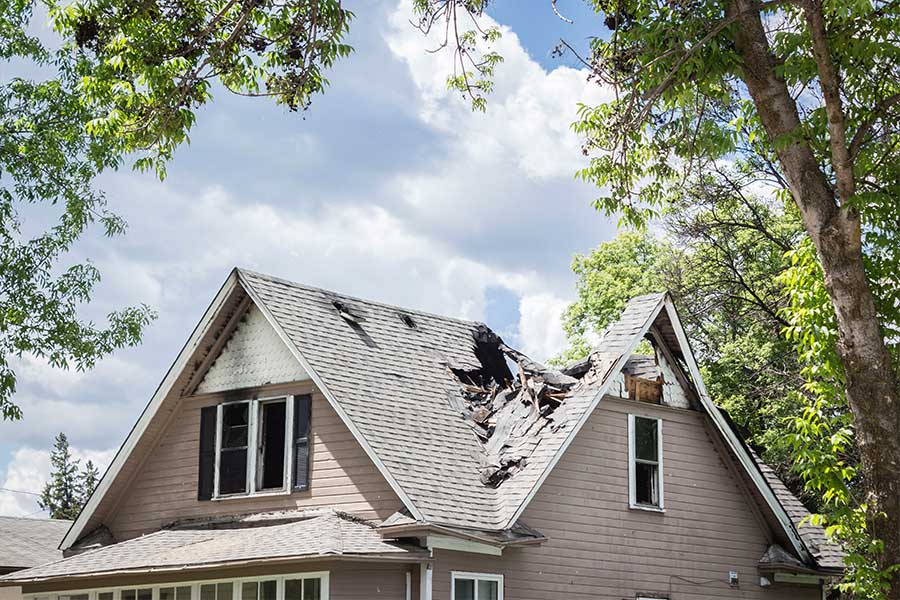
Dealing with a fire or flood in your Rhode Island home is stressful enough. The last thing you want to worry about is how to sell a fire-damaged house or navigate the complex process of selling after water damage. Whether you’re in Providence, Warwick, or anywhere else in the Ocean State, you have options that don’t involve months of expensive repairs.

Many Rhode Island homeowners think they’re stuck with two bad choices: spend thousands fixing everything or accept pennies from desperate buyers. The truth is, there’s a better way to move forward after property damage.

Understanding Your Options After Fire or Flood Damage

When disaster strikes your Rhode Island home, time becomes your biggest challenge. Insurance claims take months to settle. Contractors are booked solid. Meanwhile, you’re dealing with temporary housing costs and the emotional stress of seeing your home damaged.

Traditional real estate agents often won’t even list severely damaged properties. They know most buyers will walk away the moment they see fire damage or flood marks. Even if you find an agent willing to help, you’ll face months of showings with very few serious offers.

The repair route seems logical at first. Fix everything, then sell normally. But fire and flood repairs in Rhode Island are expensive and time-consuming. Fire damage often means replacing electrical systems, flooring, and drywall throughout the house. Flood damage brings hidden problems like mold, foundation issues, and ruined insulation. A $20,000 repair estimate easily becomes $50,000 or more.

Here’s what most people don’t realize: you don’t have to choose between these difficult options. Damaged property cash buyers in Rhode Island offer a third choice that makes sense for many families.

How Cash Buyers Handle Fire and Flood Damaged Properties

Cash buyers who specialize in damaged properties work differently from traditional buyers. They understand that behind every damaged house is a family that needs to move forward with their lives.

When you contact a professional cash buyer, they’ll visit your property and assess the damage firsthand. They don’t need you to clean up, make repairs, or even remove your belongings. They evaluate what the house could be worth after professional restoration and make their offer based on that potential.

This process eliminates the guesswork and stress from your situation. You won’t wonder if buyers will show up to appointments or if they’ll change their minds after seeing the damage. Cash buyers expect damaged properties and price their offers accordingly.

The timeline moves much faster, too. While traditional sales take 60-90 days, even for perfect houses, cash sales often close in just 7-14 days. This speed helps you avoid paying for temporary housing longer than necessary.

Steps to Sell Your Damaged Rhode Island Property for Cash

  • Document the damage: Take photos of all affected areas before cleaning anything. Your insurance company needs this documentation, and it helps cash buyers understand the full scope of work needed.
  • Get your insurance claim started: Even if you plan to sell quickly, start the insurance process. Some buyers can work with active claims, and you’ll need the documentation regardless.
  • Contact cash buyers who handle damaged properties: Not every cash buyer works with fire or flood damage. Look for companies that specifically mention handling damaged properties and have experience in Rhode Island.
  • Get multiple offers: Don’t accept the first offer you receive. Reputable buyers won’t pressure you to decide immediately. Take time to compare offers and terms.
  • Review all paperwork carefully: Make sure you understand what repairs, if any, the buyer expects you to complete. The best cash buyers purchase properties completely as-is.
  • Choose your closing date: One major advantage of cash sales is flexibility. You can often pick a closing date that works with your temporary housing and moving plans.

Why Rhode Island Homeowners Choose We Pay More Properties

At We Pay More Properties, we’ve helped dozens of Rhode Island families move forward after fire and flood damage. We understand that selling a damaged house isn’t just about money – it’s about getting your life back to normal.

We handle all the complicated parts for you. Our team assesses fire damage, flood damage, and structural issues so you don’t have to become an expert in restoration costs. We make fair offers based on your property’s potential, not just its current condition.

You stay in control throughout the process. We work around your schedule for property visits and let you choose the closing date that works best for your family. There are no hidden fees, no commission costs, and no surprise deductions at closing.

Our local knowledge of Rhode Island’s market helps us make accurate offers quickly. We understand how flood zones, local building codes, and seasonal weather patterns affect property values throughout the state.

Making the Right Decision for Your Family

Selling a fire-damaged or flood-damaged house in Rhode Island doesn’t have to add more stress to an already difficult situation. You have the right to choose what works best for your family’s timeline and financial needs.

Some families decide to rebuild and restore their properties. Others want to sell quickly and start fresh somewhere new. Both choices are valid, and the right decision depends on your specific situation.

If you’re leaning toward selling, don’t wait until the damage worsens or holding costs accumulate. Water damage and fire damage both worsen over time when left untreated. The sooner you explore your options, the more choices you’ll have.

Ready to Move Forward? Contact We Pay More Properties Today

Stop worrying about how to sell your fire-damaged house or flood-damaged property in Rhode Island. We Pay More Properties is ready to help you move forward without the stress of repairs, realtor fees, or months of uncertainty.

Call us today at 844-937-2966 for a no-obligation consultation about your damaged property. We’ll visit your home, assess the situation honestly, and provide a fair cash offer within 24 hours. You can also visit our office at 207 Douglas Ave, Suite 200, Providence, RI 02908, or learn more about our process at wepaymoreproperties.com.

Should You Fix Up Your House or Sell As-Is in Rhode Island?

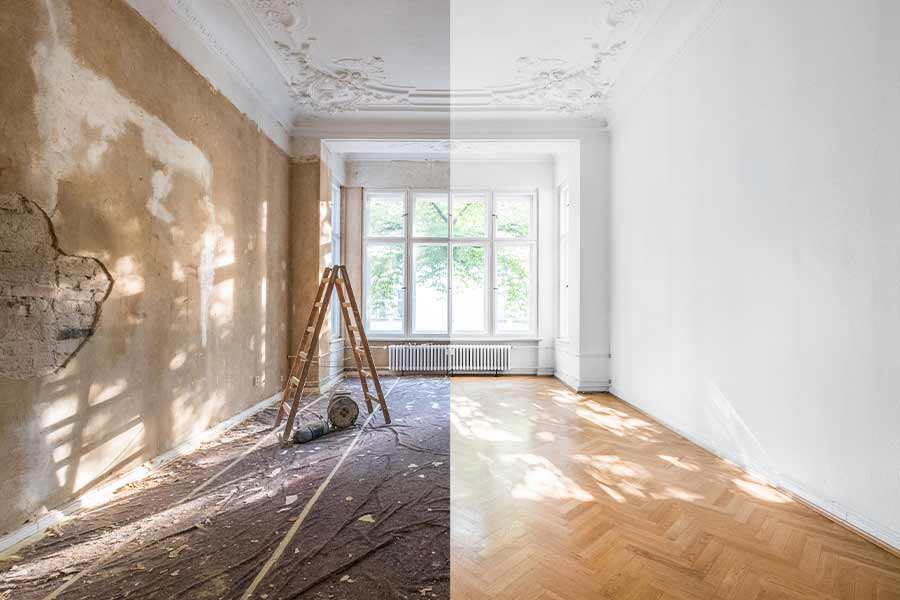
Selling your home in Rhode Island raises a significant question: should you fix up your house or sell as-is? Many homeowners in Providence and across Rhode Island face this choice. The answer depends on your situation, timeline, and budget.

Let’s break down both options so you can make the best choice for your needs.

What Does “Sell As-Is” Mean?

When you sell your house as-is, you’re selling it in its current condition. You don’t make any repairs or updates. The buyer takes the property in its current state.

This doesn’t mean you’re hiding problems. You still need to be honest about any issues you know about. But you’re not spending time or money fixing them before the sale.

The Case for Fixing Up Your House First

Some homeowners choose to make repairs before selling. This approach can work well in certain situations.

Higher sale price: Fixed-up homes often sell for more money. Fresh paint, new flooring, and updated kitchens catch buyers’ eyes. They’re willing to pay extra for a move-in-ready home.

Faster traditional sale: Homes in excellent condition tend to sell quickly on the regular market. Buyers don’t worry about repair costs or the hassle of fixing things themselves.

More buyer interest: Pretty homes get more showings and offers. This can create competition between buyers, which might drive up your final sale price.

But fixing up your house isn’t always the wise choice. Let’s look at why.

Why Selling As-Is Might Be Your Best Option

For many Rhode Island homeowners, selling as-is makes more sense. Here’s why this option is gaining popularity.

No upfront costs: You don’t spend thousands on repairs that might not pay off. Kitchen remodels in Providence can cost $20,000 or more. That’s money you might never get back.

No time delays: Repairs take time. Finding contractors, getting permits, and finishing work can take months. If you need to move fast, this delay hurts.

No stress or hassle: Managing repairs while trying to sell creates double stress. You’re dealing with contractors, inspectors, and potential buyers all at once.

Unknown problems: Once you start fixing things, you might find bigger issues. That small roof leak could reveal major structural problems. These surprise costs add up fast.

When Should You Fix Up Your House?

Consider making repairs if you have the time and money. If your local market strongly favors updated homes, minor fixes might help. But be smart about which repairs you choose.

Focus on these fixes:

  • Fresh paint: Clean, neutral colors make rooms feel bigger and brighter
  • Deep cleaning: A spotless home shows much better than a dirty one
  • Minor repairs: Fix leaky faucets, squeaky doors, and burned-out light bulbs
  • Curb appeal: Trim bushes, plant flowers, and clean up the yard

Skip expensive projects like kitchen remodels, bathroom updates, or major systems repairs. These rarely pay for themselves in Rhode Island’s current market.

When Selling As-Is Makes More Sense

Most homeowners should consider the as-is option, especially if any of these situations apply to you.

  • You need to sell quickly: Job relocation, financial stress, or family changes often require fast sales. Repairs slow everything down.
  • Your house needs major work: Older homes in Providence often need new roofs, heating systems, or foundation repairs. These big-ticket items cost more than most homeowners want to spend.
  • You’re dealing with inherited property: If you inherited a house, you might not want to invest in major repairs. Selling as-is lets you move forward without additional stress.
  • The local market favors investors: Some Rhode Island neighborhoods attract investors who prefer as-is properties. They have their own contractors and renovation plans.

The Smart Way to Sell As-Is in Rhode Island

If you decide to sell as-is, do it right. Not all buyers are the same. Traditional buyers often get scared by repair needs. But cash buyers and investors actively look for as-is properties.

Cash buyers like We Pay More Properties specialize in as-is purchases. We buy houses throughout Rhode Island in any condition. You don’t need to paint, repair, or even clean. We handle everything.

Here’s how it works. You call us or visit our website. We look at your house and make a fair cash offer within 24 hours. You choose the closing date that works for you. We take care of all the paperwork and details.

Making Your Decision

Think about your goals, timeline, and budget. Ask yourself these questions:

Do you have months to spend on repairs and marketing? Can you afford surprise repair costs? Are you comfortable managing contractors while showing your house?

If you answered no to any of these, selling as-is probably makes more sense.

Remember, you’re not stuck with the first option you choose. You can always get multiple opinions. Traditional real estate agents will tell you about fixing up and listing. Cash buyers will explain the as-is option.

Your Next Step

Don’t let the repair vs as-is sale decision stress you out. Both options can work, but one will be clearly better for your situation.

If you’re leaning toward selling as-is, get a no-obligation cash offer first. This gives you a baseline to compare against other options. You might be surprised how much you can get for your Rhode Island house without fixing anything.

We Pay More Properties has been helping Providence area homeowners for years. We buy houses in any condition, handle all the paperwork, and close on your timeline. No repairs, no fees, no waiting around.

Ready to learn what your house is worth as-is? Call us today at 844-937-2966. We’ll give you a fair cash offer in 24 hours, and you can decide if it’s right for you. Your fresh start is just one phone call away.

The Best Time of Year to Sell a House in Rhode Island

Thinking about selling your house in Rhode Island? One of the first questions most homeowners ask is: When is the best time of year to sell a house in Rhode Island to get the most money and fastest results? The timing of your home sale can make a real difference in how quickly you attract buyers and how much you earn at closing.

Like much of the Northeast, Rhode Island’s housing market follows seasonal patterns. By understanding these trends—and considering your own personal situation—you can make smarter choices about when to list your house.

Spring: The Prime Selling Season

Spring is typically the best time to sell a house in Rhode Island. From March through May, buyer activity surges. Families often want to move before summer break, and after winter weather passes, more people are eager to attend showings and open houses.

Selling in the spring offers several advantages:

  • More active buyers – Higher demand increases your chances of multiple offers.
  • Stronger curb appeal – Blooming flowers and green lawns help your home look its best.
  • Longer daylight hours – Evening showings are easier to schedule after work.
  • Faster sales – Homes listed in spring usually spend less time on the market.

The tradeoff? You’ll face more competition from other sellers who also list during spring. To stand out, your house should be well-prepared with attractive photos, competitive pricing, and strong curb appeal.

Summer: Still a Hot Market

Summer continues the strong momentum from spring. June through August is especially active as families settle before the new school year. Longer daylight hours make showings easier, and weekend open houses often attract a good crowd.

Rhode Island’s summer tourism season can also bring out-of-state buyers who fall in love with the Ocean State and decide to relocate. These buyers often bring strong cash offers, providing sellers with more options.

One drawback: vacations can slow things down. Some buyers pause their search during mid-summer travel, and if your home lacks air conditioning, hot weather might work against you. Still, summer generally remains one of the strongest seasons for selling.

Fall and Winter: Fewer Buyers, More Serious Ones

From September through November, buyer activity begins to taper off. There are fewer shoppers overall, but the ones who are looking are usually more serious. Many need to move quickly for work or personal reasons, which can make negotiations smoother.

The winter months (December through February) are traditionally the slowest. Bad weather and the holiday season mean fewer showings. But motivated buyers are still in the market, and they often act decisively. Tasteful holiday décor can even make your home feel warm and inviting during showings.

Selling in winter isn’t impossible—it just requires realistic pricing and flexibility. Motivated buyers, investors, and cash buyers are still active, which can work to your advantage if you need to sell quickly.

Seasonal Pros and Cons of Selling in Rhode Island

SeasonProsCons
Spring (Mar–May)Highest buyer demand, best curb appeal, faster salesMore competition from other listings
Summer (Jun–Aug)Peak family moves, long daylight hours, strong tourism-driven demandVacations can delay buyers, hot weather can highlight comfort issues
Fall (Sep–Nov)Fewer competing listings, serious and motivated buyersOverall demand slows compared to spring and summer
Winter (Dec–Feb)Motivated buyers still active, holiday décor can boost appealSlowest market season, fewer showings due to weather

Market Timing Considerations in Rhode Island

Seasonal patterns matter, but other local factors also play a big role in when to sell:

  • Jobs and employers – Institutions like Brown University, URI, and Newport’s naval base bring steady housing demand throughout the year.
  • Interest rates – Lower rates increase buyer power, while rising rates can reduce the number of qualified buyers.
  • Inventory – If few homes similar to yours are on the market, you might get strong offers regardless of season. If inventory is high, listing in peak season may help.

When Timing Doesn’t Matter

Sometimes life doesn’t wait for spring or summer. Job relocations, financial challenges, divorce, or inherited properties can all force you to sell quickly. In these cases, waiting for the “perfect” market often costs more than it saves.

Year-round advantages to selling quickly include:

  • Motivated buyers exist in every season – especially investors and cash buyers.
  • Less competition from other sellers – your home stands out when fewer listings are available.
  • Quick solutions – companies that buy houses for cash provide speed and certainty.

If you’re facing foreclosure, dealing with a divorce, or managing an inherited property, a cash buyer may help you move forward without delay.

Local Market Insights: Providence and Beyond

Providence and surrounding areas have their own dynamics. Ongoing revitalization has attracted young professionals and downsizers year-round. Colleges and universities create consistent demand for both homes and rentals, while lifestyle-focused buyers are drawn to downtown amenities and cultural attractions.

Because Rhode Island is small, buyers often look statewide rather than limiting themselves to one town. This broader buyer pool can help offset seasonal slowdowns in specific neighborhoods.

Making Your Decision

So, when is the best time to sell a house in Rhode Island? The honest answer: if you can wait, spring and early summer usually bring the most activity and strongest prices. But a well-priced home in good condition can sell successfully in any season.

More importantly, your personal needs should guide your decision. If you need to move quickly, selling to a cash buyer is often the best option. These buyers purchase homes year-round, regardless of condition, and can close in as little as one week.

Ready to Sell Your Rhode Island House?

Whether you want to take advantage of spring’s peak season or need to sell right now, We Pay More Properties is here to help. We buy houses in any condition, in any season, with cash offers that close on your timeline. No repairs, no fees, no waiting for the “right” market conditions.

Call us today at 844-937-2966 or visit us at 207 Douglas Ave, Suite 200, Providence, RI 02908. You can also request your fair cash offer online at wepaymoreproperties.com. Your fresh start begins with one simple step.

What Closing Costs Do Sellers Pay in Rhode Island?

Selling your house in Rhode Island comes with costs you might not expect. Understanding closing costs for sellers helps you plan better and avoid surprises at the closing table. Many homeowners in Providence and across the Ocean State get caught off guard by these fees, which can add up to thousands of dollars.

Let’s break down exactly what you’ll pay when selling your home in Rhode Island, so you can make smart decisions about your sale.

What Are Seller Closing Costs?

Closing costs are fees you pay when transferring ownership of your house to the buyer. These seller fees in RI typically range from 6% to 10% of your home’s sale price. For a $300,000 home, that could mean paying $18,000 to $30,000 in closing costs.

The good news? Some of these costs can be negotiated or avoided entirely, depending on how you sell your house.

Common House Selling Costs in Rhode Island

When you sell a home in Rhode Island, there are several costs to plan for. Some are required by law, while others depend on how you choose to sell. Here’s a breakdown of the most common seller expenses:

Real estate agent commissions

This is usually the biggest cost for sellers. Commissions in Rhode Island typically run 5% to 6% of the sale price and are split between your listing agent and the buyer’s agent. On a $300,000 home, that means paying about $15,000 to $18,000 in commission fees.

Transfer taxes

Rhode Island charges a real estate conveyance tax of $2.30 for every $500 of value (about $4.60 per $1,000). The tax is collected by the city or town at closing. On a $300,000 sale, the transfer tax comes to roughly $1,380.

Attorney fees

State law requires an attorney to be present at every real estate closing. Sellers typically pay between $800 and $1,500 for legal services. Your attorney will review documents, ensure the deed is transferred properly, and handle any title issues.

Title insurance

In most Rhode Island transactions, the seller pays for the owner’s title insurance policy, which protects the buyer against future claims. Costs usually range from $3 to $5 per $1,000 of value, or about $900 to $1,500 on a $300,000 home.

Prorated property taxes

Sellers must pay their share of property taxes up until the closing date. If you’ve already paid for the year, the buyer will reimburse you for their portion.

Other small fees

Recording fees, courier charges, and wire transfer costs often apply as well. These smaller expenses usually add up to a few hundred dollars.

Total seller closing costs

When you add everything together—agent commissions, transfer taxes, attorney fees, title insurance, and other charges—most Rhode Island sellers pay between 7% and 10% of the home’s sale price in closing costs.

How Rhode Island Compares to Other States

Rhode Island’s closing costs fall in the middle range compared to other states. Some states have higher transfer taxes, while others charge more for attorney fees. The Ocean State’s costs are pretty typical for New England, where attorney involvement in real estate transactions is the norm.

What makes Rhode Island unique is the local variations in transfer taxes. Each city and town sets its own rate on top of the state tax. Providence, Warwick, and Cranston each have different rates, so your exact costs depend on where your house is located.

Ways to Reduce Your Seller Closing Costs

  • Negotiate with buyers: In a competitive market, you might ask buyers to cover some of your closing costs as part of the deal. This works especially well if you have multiple offers on your house.
  • Shop around for services: Don’t just accept the first quote you get for attorney fees or other services. Different professionals charge different rates, and a little comparison shopping can save you money.
  • Sell to a cash buyer: When you work with companies that buy houses for cash, you avoid many traditional closing costs entirely. No real estate commissions, no lengthy closing processes, and often no attorney fees on your end.
  • Time your sale strategically: If you can close at the beginning of the tax year, you might owe less in prorated property taxes.

Understanding Your Net Proceeds

Your net proceeds are what you actually walk away with after all costs and fees. To calculate this number, take your sale price and subtract your mortgage balance, closing costs, and any other debts tied to the property.

Many sellers are surprised by how much closing costs eat into their profits. That’s why understanding these expenses upfront helps you set realistic expectations and make better decisions about when and how to sell.

If you inherited a house or need to sell quickly due to job relocation, these costs can feel overwhelming. The traditional selling process involves weeks of uncertainty, multiple showings, and thousands in fees before you see any money.

A Simpler Way Forward

At We Pay More Properties, we understand that house-selling costs in Rhode Island can feel overwhelming, especially when you’re already dealing with stressful situations like foreclosure, inherited property, or unexpected relocation. That’s why we’ve built our business around making selling simple and transparent.

When you sell to us, you avoid most traditional closing costs entirely. No real estate commissions. No lengthy attorney processes. No surprise fees at closing. We handle the complex parts so you can focus on what matters most – moving forward with your life.

We pay more than other cash buyers because we believe Rhode Island homeowners deserve fair value for their properties. Our process is straightforward: we evaluate your house, make a fair cash offer within 24 hours, and close on your timeline. Whether that’s next week or next month, you’re in control.

Your house doesn’t need repairs, cleaning, or staging. We buy homes in any condition, from move-in ready to major fixer-uppers. You pick the closing date that works for your situation, and we handle everything else.

Ready to skip the stress and costs of traditional home selling?

Contact We Pay More Properties today at 844-937-2966 or visit our office at 207 Douglas Ave, Suite 200, Providence, RI 02908. Get your fair cash offer in 24 hours and discover how much easier selling your house can be. Your fresh start begins with one simple phone call.

How to Sell an Inherited House Quickly in Rhode Island

Inheriting a house can bring mixed emotions. On one hand, it may represent a family legacy or a valuable asset. On the other, it often comes with new financial responsibilities, legal hurdles, and the challenge of making decisions with multiple family members.

If you’ve recently inherited property in Rhode Island, you may be asking: How can I sell this house quickly? The answer depends on your situation—but with the right strategy, you can save time, reduce stress, and move forward with confidence. Let’s explore how to sell an inherited house quickly.

Why Selling an Inherited House Can Be Complicated

Unlike selling your own home, selling an inherited property involves more steps. Common hurdles include:

  • Probate Court: Most inherited homes must pass through probate before being sold.
  • Multiple Heirs: When several people inherit one property, disagreements can slow down the process.
  • Repairs & Updates: Many inherited homes need major updates, which can delay a traditional sale.
  • Emotional Stress: Memories and family history can make decisions harder, especially if siblings or relatives don’t agree on next steps.

Understanding these challenges is the first step toward finding the fastest and most effective solution.

Step 1: Navigating Probate in Rhode Island

Probate is the first hurdle in most inherited property sales. In Rhode Island, this legal process ensures that debts are paid and assets are properly distributed to heirs. The probate court oversees the estate, and an executor is appointed to handle responsibilities like settling debts, collecting paperwork, and preparing the house for sale.

On average, probate takes six months to a year, but if the estate is large or there are disputes, it can stretch much longer. During this time, the property may sit vacant, which often means ongoing maintenance, tax payments, and the risk of the home falling into disrepair.

Some properties may qualify for simplified probate if the estate is small, which can shorten the timeline. However, in most cases, sellers should expect the full process. Because probate directly impacts how quickly you can sell, starting early and having a clear plan is key. Many heirs find that working with a local cash home buyer in Rhode Island helps streamline the process, since experienced buyers often understand how to work alongside probate requirements.

Step 2: Communicating with Heirs

One of the most common challenges in selling an inherited house is coordinating between multiple heirs. In Rhode Island, it’s not unusual for a property to pass to siblings or several family members at once. Each heir may have a different opinion about whether to keep, rent, or sell the home. These disagreements can create delays, tension, and even legal battles.

If everyone agrees to sell, the process is much faster. The executor can move forward with court approval and begin taking steps toward a sale. If there’s no agreement, however, the case may escalate to a partition action, where the court forces the sale and divides proceeds among heirs. While this ensures progress, it can also add significant stress and legal expenses.

To avoid disputes, families should try to hold open discussions early on. Creating a written plan, with clear timelines and expectations, can prevent misunderstandings. If selling quickly is the goal, it’s often easiest to choose a cash buyer, since cash sales close faster and with fewer moving parts, which benefits all heirs involved.

Step 3: Gathering the Right Documents

Paperwork is a major part of selling an inherited house, and having the right documents ready can save weeks of delays. At a minimum, you’ll need the death certificate, the will or court appointment of the executor, the property deed, and the title. In Rhode Island, you’ll also need to comply with required property disclosures, just like any other sale.

If probate has been completed, the executor will have legal authority to sell the property. If it’s still ongoing, the court may need to authorize the sale. Executors should also be prepared to show proof that debts, liens, or outstanding taxes have been handled—or disclose them to the buyer.

Having these documents ready means buyers, especially Rhode Island cash home buyers, can move forward immediately. Missing paperwork, on the other hand, can stall the process and add stress. For families who want to sell quickly, gathering everything in advance is one of the most important steps.

Step 4: Weighing Your Selling Options

When it comes to selling an inherited property, you have three main paths: listing with a real estate agent, selling at auction, or selling directly to a cash buyer. Each option has benefits and drawbacks depending on your timeline and priorities.

  • Traditional Listing: If the home is in excellent condition and you have time to wait, listing with an agent may bring in the highest price. However, it often means making repairs, investing in staging, and waiting months for the right buyer. It also comes with realtor commissions, typically 5–6% of the sale price.
  • Auction: Auctions can speed up the sale, and in competitive markets, they may attract multiple bids. The downside is that there’s no guarantee of price, and if only a few bidders are interested, the house could sell for far less than expected.
  • Cash Sale: A cash buyer is the fastest and most predictable option. You sell the house as-is, avoid repairs, and close in as little as 7–14 days. While the offer may be slightly below full market value, families often find that avoiding commissions, repairs, and holding costs means they walk away with more money in the end.

This is why so many families looking to sell an inherited house fast in Rhode Island choose a cash buyer. It provides certainty and simplicity at a time when both matter most.

Why Cash Buyers Make Sense for Inherited Homes

Inherited homes often come with unexpected costs and stress. A cash sale offers clear advantages when speed matters most:

  • No Repairs Needed: Sell as-is, even if the home has major issues like an outdated roof, water damage, or structural concerns.
  • Fast Timeline: Receive a cash offer in 24–48 hours and close in as little as 7 days.
  • No Fees or Commissions: Keep more of your money by skipping agent commissions and hidden fees.
  • Certainty: Cash buyers don’t rely on mortgages, so there’s no risk of financing delays or last-minute cancellations.
  • Flexibility: You choose the closing date that works best for your family.

For families balancing probate, multiple heirs, and the emotional side of loss, a cash buyer can provide both relief and closure.

Emotional and Financial Relief

Maintaining an inherited property can quickly become overwhelming. Between taxes, insurance, utilities, and upkeep, costs add up fast. Add emotional stress from family disagreements or memories tied to the home, and it’s easy to see why many Rhode Island families choose a faster option.

Selling quickly isn’t just about money—it’s about peace of mind and the ability to move forward.

Which Option Is Right for You?

Your GoalBest OptionWhy It Works
Maximize PriceTraditional ListingCan achieve top-dollar, but requires time, staging, and updates
Save Time & StressCash SaleSell as-is, skip repairs, and close in as little as 7 days
Need CertaintyCash BuyerNo risk of financing falling through; guaranteed closing

Sell an Inherited House Quickly with We Pay More

Selling an inherited home in Rhode Island doesn’t have to take months—or years. While probate and multiple heirs can create challenges, the right approach makes a quick sale possible.

If you want to sell fast, skip repairs, and avoid months of waiting, a cash sale may be the best fit.

At We Pay More Properties, we buy inherited homes across Rhode Island in any condition. You’ll get a fair cash offer in 24–48 hours, choose your closing date, and move forward on your timeline.

Rhode Island Real Estate Market Update – Summer 2025

With home prices continuing to rise and inventory showing signs of improvement, the Rhode Island Real Estate Market in summer 2025 presents opportunities for sellers. As of June 2025, the median price for single-family homes reached $520,000, representing a 5.3% year-over-year increase.[1] Inventory levels have grown by 20.4%, yet supply remains below healthy levels, contributing to a persistent seller’s market.[1]

Home sales are up 14.2%, indicating strong demand despite affordability challenges.[1] At We Pay More Properties, we specialize in helping RI homeowners capitalize on these trends with fast cash offers. In this update, we’ll dive into statewide and local insights, including cities like East Providence, and share tips for securing the best offer.

Statewide Trends

Rhode Island’s housing market is experiencing moderate growth amid national shifts. The median single-family home price hit $520,000 in June, up 5.3% from last year and a staggering 73.6% since 2019.[1] Condominiums saw an even sharper rise, with medians at $417,500 (up 18.4%), while multifamily homes reached $599,000 (up 13%).[1]

Inventory across all property types increased significantly—single-family up 20.4%, condos up 29.1%, and multifamily up 62%—but the market still offers only half the supply needed for balance.[1] Mortgage rates, which have been hovering around affordability thresholds, may ease later in 2025, potentially boosting buyer activity.[1] Out-of-state buyers, comprising 23.5% of transactions, are driving demand, particularly in higher-end segments.[1]

Local Insights: Key Cities

Trends vary by city, but overall, urban and suburban areas like Providence and East Providence continue to see appreciation and quick sales.

  • Providence: The median sold price stands at $475,000, with homes spending just days on the market amid high demand in this vibrant capital.[2] Inventory is rising but remains tight, favoring sellers.
  • East Providence: Median sold price reached $434,000 in June, up 5.9% year-over-year, with a price per square foot of $275.[3] It’s a strong seller’s market, where 62.2% of homes sold above asking and 76% within 30 days, though average days on market rose to 21.[3] Homes sold: 37, down slightly month-over-month, but inventory edged up 1.3% to 155 listings.[3]
  • Warwick and Cranston: These suburbs mirror statewide trends, with median prices around $450,000-$500,000 and increasing sales volume, driven by family-friendly appeal and proximity to Providence.

Why Now is a Great Time to Sell

Despite inventory gains, Rhode Island remains a seller’s market with low supply relative to demand, leading to competitive offers and fast closings.[1] Prices are up across the board, and with potential interest rate reductions on the horizon, more buyers could enter soon—potentially softening prices later.[1]

Out-of-state interest, particularly in coastal and urban areas, boosts values, making it ideal for sellers facing relocation, inheritance, or financial needs. If your home needs repairs, cash buyers like us can help you avoid staging costs and delays.

Tips for Getting the Best Offer

To maximize your sale in this Rhode Island Real Estate Market:

  1. Get a Professional Valuation: Use an appraisal or comps from sites like Redfin to price accurately—overpricing can lead to longer days on market.
  2. Highlight Local Appeal: In cities like East Providence, emphasize proximity to amenities; in Providence, tout urban perks.
  3. Consider Cash Buyers: Skip repairs and commissions with companies like We Pay More Properties—we offer within 24 hours and close in 7-70 days, covering costs.
  4. Time Your Listing: Summer sees high activity; list now to catch peak demand before potential fall slowdowns.
  5. Explore Alternatives: If max equity is key, our Remodel for Resale program handles renovations for higher proceeds without upfront investment.

What The Rhode Island Real Estate Market Means For You

The Rhode Island Real Estate Market favors sellers with rising prices and improving but still limited inventory.[1] Whether in East Providence or statewide, now’s the time to act. At We Pay More Properties, we’ve helped over 100 RI homeowners navigate these trends for stress-free sales. Ready for a free cash offer? Submit your details today—no obligations.

Additional Resources
https://www.rirealtors.org/news/2025/07/22/press-release/realtor-housing-data-shows-increased-price-sales-supply/
https://realestateinstituteofrhodeisland.com/blog/f/providence-rhode-island-housing-market-update–july-2025
https://rocket.com/homes/market-reports/ri/east-providence

Navigating Foreclosure in Rhode Island

Facing foreclosure in Rhode Island can be overwhelming, but homeowners have several options to explore before losing their property. As of June 2025, Rhode Island has one in every 5,839 housing units facing foreclosure, with 83 filings statewide.[1] While this is lower than many states, foreclosure activity has increased 7% year-over-year nationally in the first half of 2025, with Rhode Island seeing a similar uptick amid stabilizing home prices.[2]

While the average foreclosure process in the U.S. takes approximately 645 days, Rhode Island’s most common non-judicial process is significantly faster, typically lasting around 149 days. This emphasizes the importance of acting quickly.[3]

At We Pay More Properties, we help RI homeowners avoid the stress of foreclosure through fair cash offers and our Remodel for Resale program. In this guide, we’ll outline key options tailored to Rhode Island’s laws and market, including mediation requirements and state resources.

Understand the Foreclosure Process in Rhode Island

Foreclosure in Rhode Island is primarily nonjudicial, meaning it doesn’t always go through court, but lenders must follow strict steps.[4] Federal law requires a 120-day waiting period after delinquency before starting foreclosure, giving time for loss mitigation.[5] Lenders must send a mediation notice for owner-occupied homes, and a conference must occur within 60 days.[6]

If unresolved, a notice of sale is published for three weeks, with the auction following at least 21 days later.[7] No statutory right to reinstate or redeem exists in nonjudicial cases, though contracts may allow it.[8] Contact a HUD-approved counselor or RI Housing for free guidance early on.[9]

Option 1: Loan Modification or Forbearance

Work with your lender to adjust your loan terms, such as lowering the interest rate or extending the repayment period.[10] In Rhode Island, RI Housing offers foreclosure prevention counseling and can connect you to programs like the Hardest Hit Fund Rhode Island (HHFRI), which has helped stabilize homes through modifications and assistance.[11]

Forbearance pauses payments temporarily, often followed by a repayment plan. Apply early—lenders prefer avoiding foreclosure, and federal programs support this for COVID-19 hardships.

Option 2: Reinstatement or Repayment Plan

If you can catch up on missed payments in a lump sum (reinstatement), do so before the sale date—Rhode Island allows this up to the auction in many cases.[12] Alternatively, negotiate a repayment plan to spread arrears over time.[13] With RI’s mediation law, use the required conference to discuss these—failure to mediate can void the foreclosure.[14] Resources like Rhode Island Legal Services can assist low-income homeowners.

Option 3: Short Sale or Deed in Lieu

A short sale lets you sell for less than owed, with lender approval forgiving the difference.[15] Deed in lieu transfers the deed to the lender, avoiding foreclosure but impacting credit.[16] In RI, these options are common, especially with rising inventory (up approximately 17% year-over-year) making sales easier. Consult RI Housing for mediation support.

Option 4: Bankruptcy Filing

Chapter 13 bankruptcy stops foreclosure via an automatic stay, allowing a 3-5 year plan to catch up on payments.[17] Chapter 7 might delay but not always prevent it. In Rhode Island, this is effective for those with steady income, but seek legal advice—filings can extend the already long process (average 671 days nationally).

Option 5: Sell Your Home Quickly

If other options fail, sell fast to avoid auction. With RI home prices up 10% to $506,600 median, cash buyers like We Pay More Properties offer a lifeline.[18] We provide no-obligation cash offers within 24 hours, closing in 7-70 days, covering costs and buying as-is. Our Remodel for Resale program handles fixes for higher equity without upfront costs—perfect for distressed properties in Providence or Warwick.

Navigating foreclosure in Rhode Island requires prompt action, given the state’s mediation mandates and moderate but rising rates.[19] Explore HUD counseling, RI Housing programs, or legal aid first.[20] At We Pay More Properties, we’ve assisted over 100 RI homeowners in avoiding foreclosure’s pitfalls. Contact us today for a free cash offer and regain control—no fees, no stress.

Additional Resoures
https://www.attomdata.com/news/most-recent/foreclosure-rates-by-state
https://www.alllaw.com/articles/nolo/foreclosure/rhode-island-foreclosure-laws.html
https://www.nolo.com/legal-encyclopedia/get-help-avoiding-a-foreclosure-using-a-hud-approved-housing-counselor.html
https://www.nolo.com/legal-encyclopedia/summary-rhode-islands-foreclosure-laws.html
https://www.pavelbuyshouses.com/blog/rhode-island-foreclosure-timeline/
https://www.lawyers.com/legal-info/bankruptcy/foreclosures/rhode-island-foreclosure-process.html
https://www.rihousing.com/homeowner-assistance/
https://www.nolo.com/legal-encyclopedia/get-help-avoiding-a-foreclosure-using-a-hud-approved-housing-counselor.html
https://www.rihousing.com/hhfri/
https://www.justia.com/foreclosure/reinstatement-and-payoff/
https://www.lawyers.com/legal-info/bankruptcy/foreclosures/ways-to-stop-a-foreclosure-reinstating-or-paying-off-a-mortgage-loan.html
https://www.nolo.com/legal-encyclopedia/summary-rhode-islands-foreclosure-laws.html
https://www.nolo.com/legal-encyclopedia/whats-the-difference-between-loan-modification-forbearance-agreement-repayment-plan.html
https://fred.stlouisfed.org/series/ACTLISCOURI
https://www.uscourts.gov/court-programs/bankruptcy/bankruptcy-basics/chapter-13-bankruptcy-basics
https://www.bankrate.com/real-estate/housing-market/ri/
https://www.nationalmortgagenews.com/news/rhode-island-foreclosure-law-mandates-borrower-mediation-option
https://www.hud.gov/helping-americans

5 Tips for Selling Your House As-Is in Rhode Island

Selling a house “as-is” in Rhode Island can be a smart move, especially in today’s market where inventory is on the rise and homes are moving quickly. As of June 2025, the median home price in Rhode Island stands at around $534,400, marking a 2.5% increase year-over-year. With the number of homes sold up 11.8% and the number of homes for sale also increasing, sellers have more options, but properties in need of repairs often face challenges in the traditional market.

That’s where selling as-is comes in—bypassing costly fixes and lengthy showings. At We Pay More Properties, we specialize in cash offers for homes in any condition, helping you close fast without the stress. Here are five tips to navigate this process successfully, tailored to Rhode Island’s current trends.

Tip 1: Understand Your Property’s Value

Before accepting any offer, get a clear picture of what your home is worth, even if it’s outdated or damaged. In Rhode Island’s competitive market, where homes in Providence are spending just 14 days on the market, an independent appraisal (costing $300–$500) can reveal your property’s after-repair value (ARV) and help you benchmark offers.

Tools like Zillow’s estimates or local comps from sites like Redfin show that while prices are up 2.5% statewide, as-is homes typically sell for 70–80% of their market value, accounting for necessary repairs. At We Pay More Properties, our free cash offers are based on transparent valuations, ensuring you know exactly what you’re getting, with no surprises.

Tip 2: Choose the Right Buyer

Not all buyers are created equal—especially in a market starting to shift with slower price growth. Traditional buyers may demand inspections and concessions, dragging out the process in a state where inventory is rising but challenges persist. Opt for reputable local cash buyers like us, who understand Rhode Island’s regulations, from lead paint disclosures to flood zone rules in coastal areas like Newport.

Avoid national chains that might lowball; instead, seek firms with RI-specific experience. We Pay More Properties focuses solely on Rhode Island, offering higher-than-average cash deals and our unique Remodel for Resale program to maximize your equity if a quick sale isn’t your only goal.

Tip 3: Skip the Repairs

One of the biggest advantages of selling as-is is avoiding the expense and hassle of fixes. With Rhode Island’s median prices showing moderate growth amid stable conditions, investing in renovations might not yield a strong return, especially for older homes in cities like Pawtucket or Cranston.

Common issues, such as roof leaks or outdated kitchens, can cost thousands to address, but cash buyers typically handle these expenses post-purchase. By selling to We Pay More Properties, you save on staging (which averages $2,000–$5,000) and repairs, closing in as little as 7 days without lifting a finger.

Tip 4: Watch for Hidden Costs

Hidden fees can erode your proceeds in any sale, but they’re particularly sneaky in as-is transactions. In Rhode Island, where over 50% of homes sold over list price in recent months, beware of buyers who reduce offers after inspections or tack on closing costs. Traditional listings involve 5–6% agent commissions, plus potential buyer concessions.

Choose transparent buyers who cover everything—no commissions, no fees, and no last-minute deductions. At We Pay More Properties, our 24-hour no-obligation offers are straightforward, and we pay all closing costs, helping you net more in a market where sales are up but prices are stabilizing.

Tip 5: Act Quickly

Rhode Island’s market is fast-paced, with low days on market indicating high demand, but waiting could mean missing out as inventory builds and price growth slows. If you’re facing foreclosure, relocation, or inheritance issues, delaying repairs or listings can lead to lost opportunities.

Cash sales allow for flexible closing dates, ranging from 7 to 70 days, giving you control. Don’t let market shifts catch you off guard; contact We Pay More Properties today for a free offer and move forward on your terms.

Selling your house as-is in Rhode Island doesn’t have to be complicated. With the market showing signs of increased supply and moderate growth, now is an ideal time to explore cash options. At We Pay More Properties, we’ve helped hundreds of Rhode Island homeowners achieve stress-free sales. Ready to get started? Submit your property details for a fair cash offer—no strings attached.